Level Design (Concept)
Silhouettes, shadow-lines, and campus mystery drive every composition pass from blockout to final pass lighting.
UE5.3 Solo Project
Nocturnal Noir & Technical Precision. A suspense-first game production focused on atmospheric level design, robust gameplay scripting, material fidelity, and final polish.
Download NowSilhouettes, shadow-lines, and campus mystery drive every composition pass from blockout to final pass lighting.
Blueprint-first systems with readable logic flow and stable state management for gameplay interactions.
Surface storytelling through geometry discipline and texture response using physically-based material layering.
Problem solving pipeline that removes friction points while preserving performance, readability, and mood.
The campus at night was designed to feel familiar yet unsettling. Reference boards prioritized muted geometry, controlled contrast, and fog as an active framing tool.
Volumetric fog and selective warm highlights direct players into narrative beats while preserving the unknown in peripheral spaces.
[AI_STATE] Patrol -> Investigate -> Pursue [SENSE] SightCone + SoundEvents [RECOVERY] Cooldown returns to patrol spline
[INPUT] Sprint held [DRAIN] DeltaTime * sprintCost [REGEN] Delay timer before refill curve
[POWER] BatteryLevel clamps 0..100 [FALLOFF] IES profile for realism [FEEDBACK] Flicker threshold under 10%
[TRACE] Line trace from camera [ATTACH] Socket binds pickup actor [DROP] Sim physics + impulse by velocity
Texture focus: Rust & Stain blend layering with controlled roughness to retain readability in low-light environments.
Hard overlap improves brightness but introduces unrealistic hotspot edges and uneven falloff.
Single physically-inspired cone with profile-based attenuation creates grounded flashlight behavior.
Download the latest build and explore the full atmosphere, systems, and technical detail in playable form.
Download Now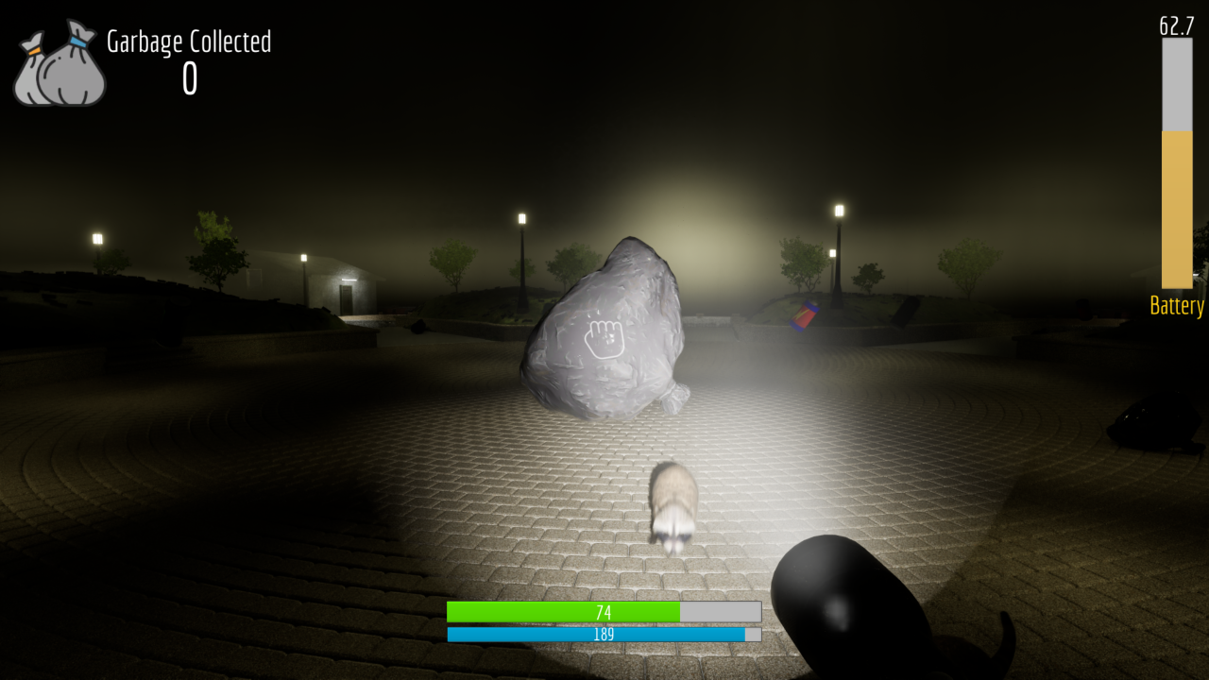
This section introduces the baseline player experience, pacing, and tone established by the final playable scene layout.
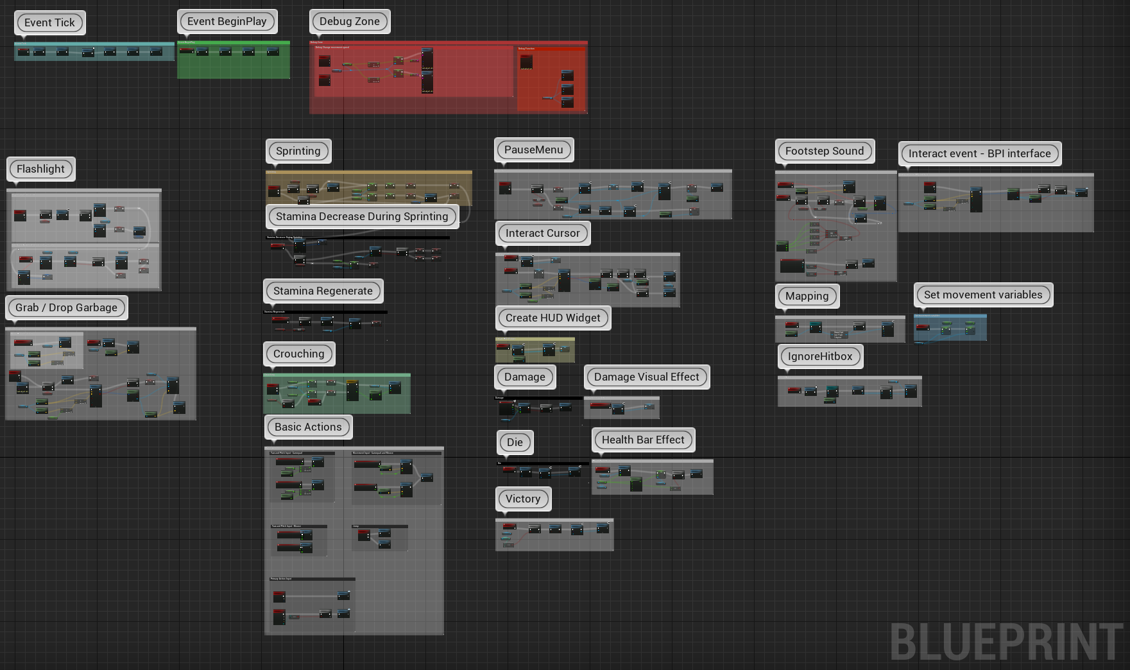
This section details camera framing, focal direction, and how first-person readability is protected in dark environments.
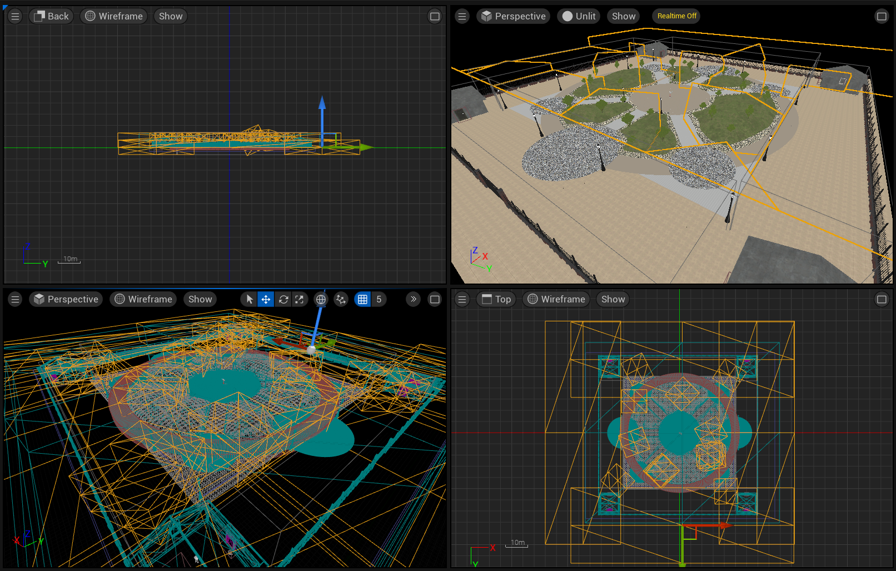
This section explains volumetric fog usage, silhouette separation, and tension pacing through controlled light scattering.
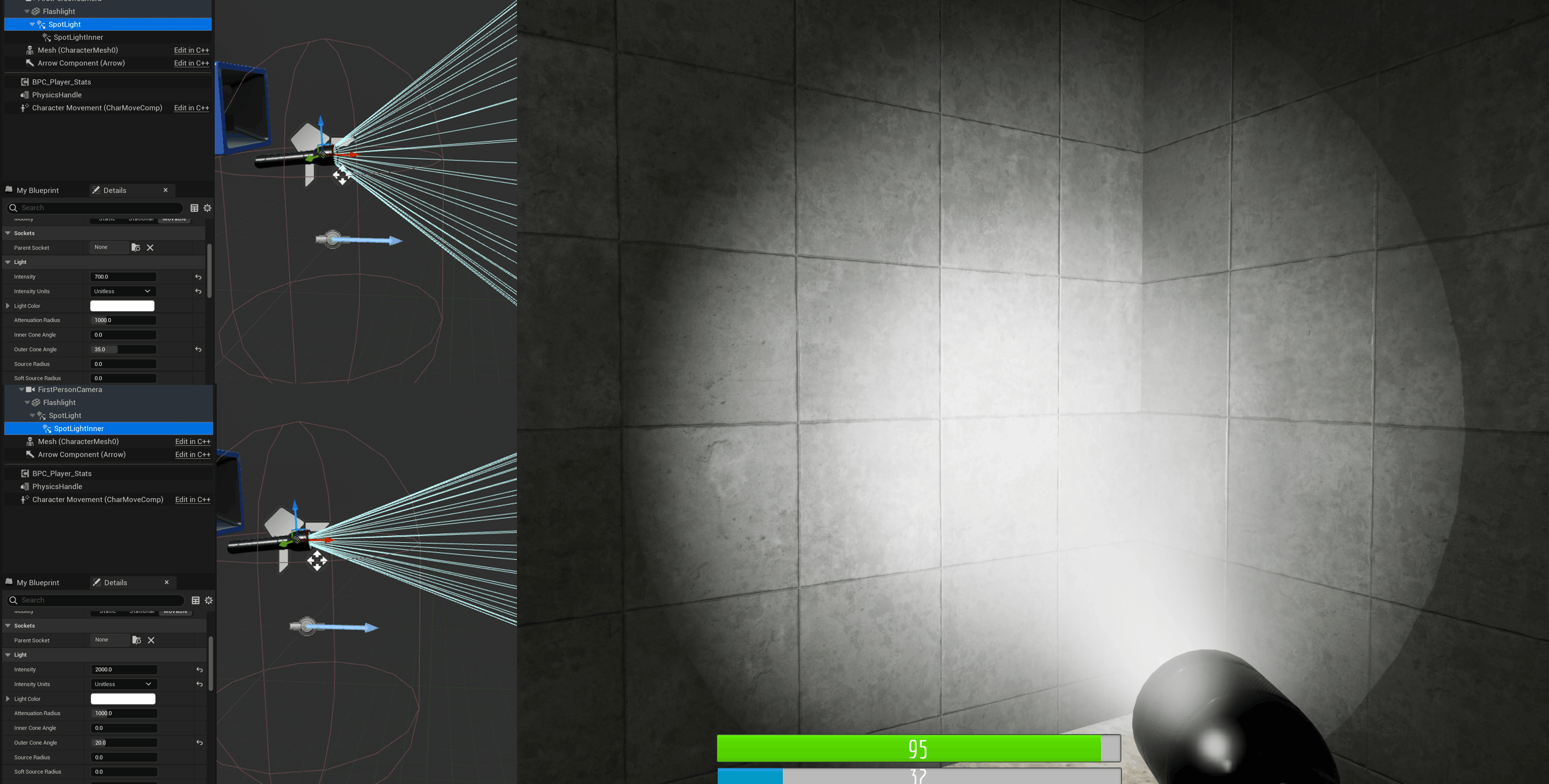
This section breaks down beam tuning, hotspot control, and falloff decisions used to keep exploration feedback grounded.
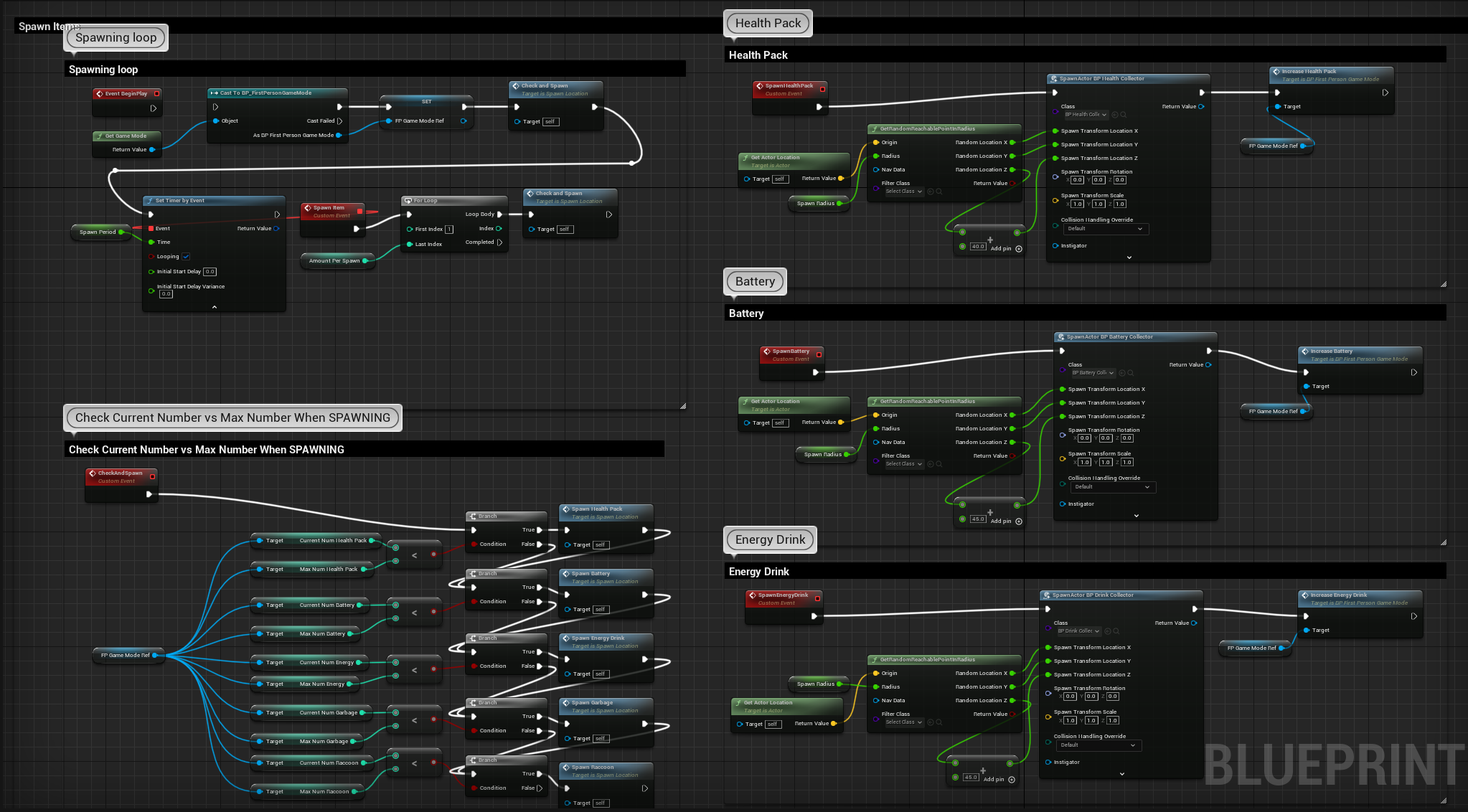
This section documents spawn conditions, trigger control, and state safety to avoid overlap during encounter escalation.
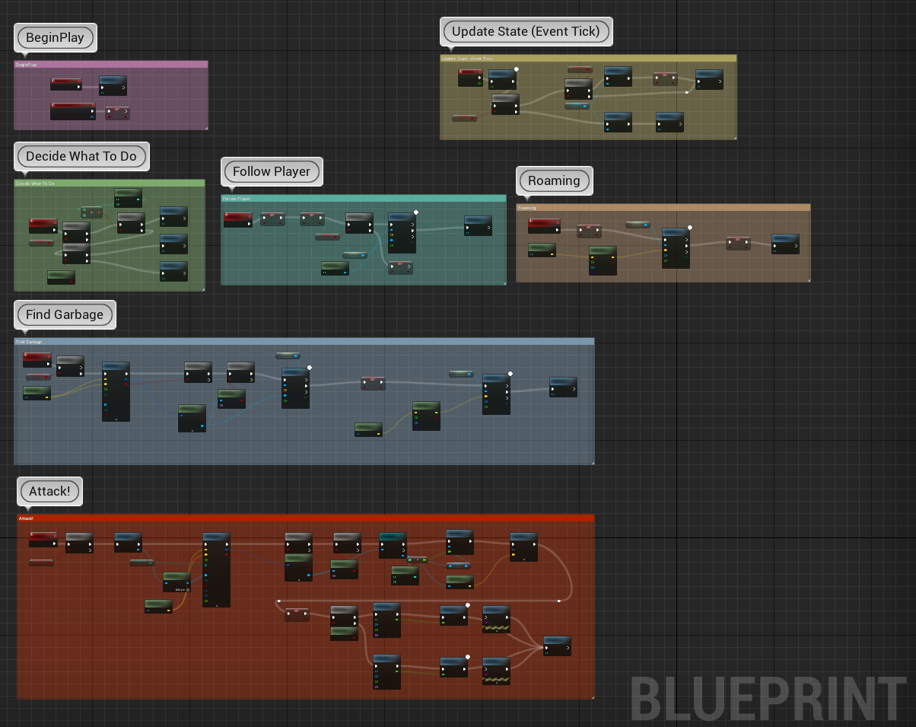
This section explains patrol, reaction, and pursuit behavior transitions that shape threat readability and player anticipation.
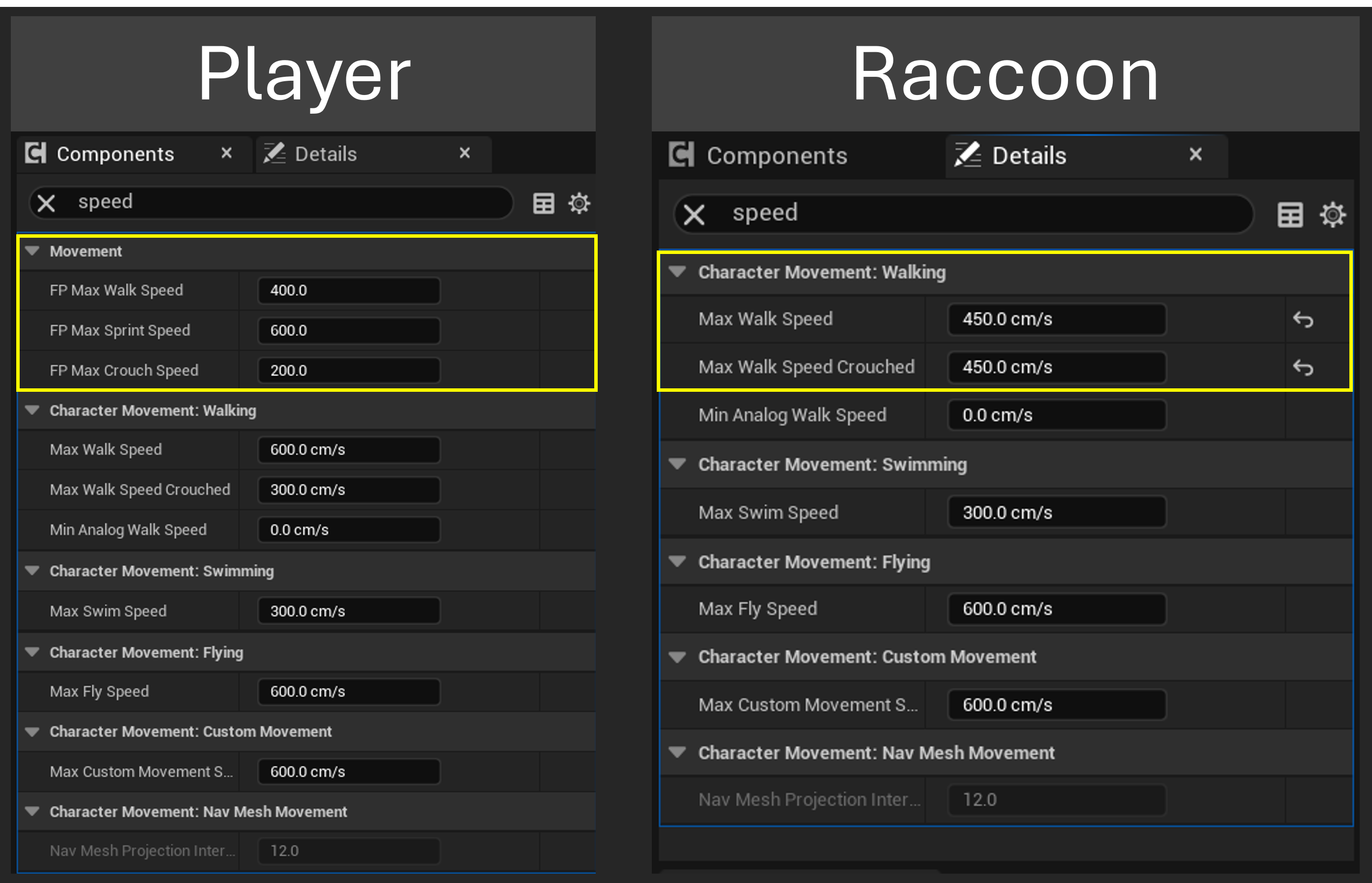
This section covers movement curve balancing, acceleration comfort, and speed constraints for controlled horror pacing.
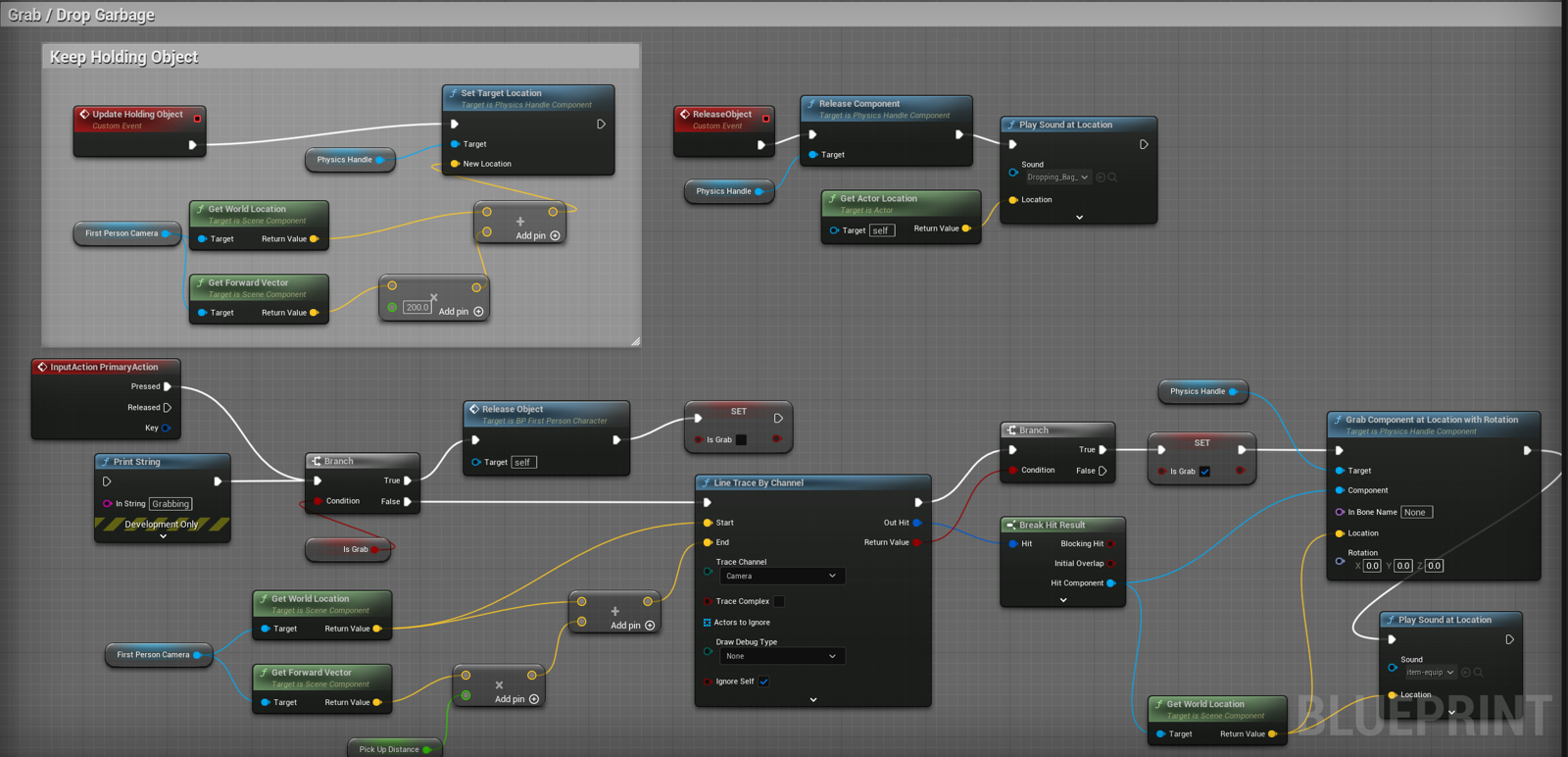
This section explains trace validation, attachment sockets, and release behavior for consistent object interaction feel.
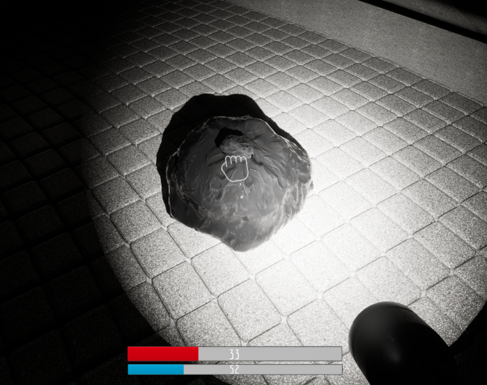
This section details UI feedback thresholds, cursor state signaling, and interaction confidence for low-light play.
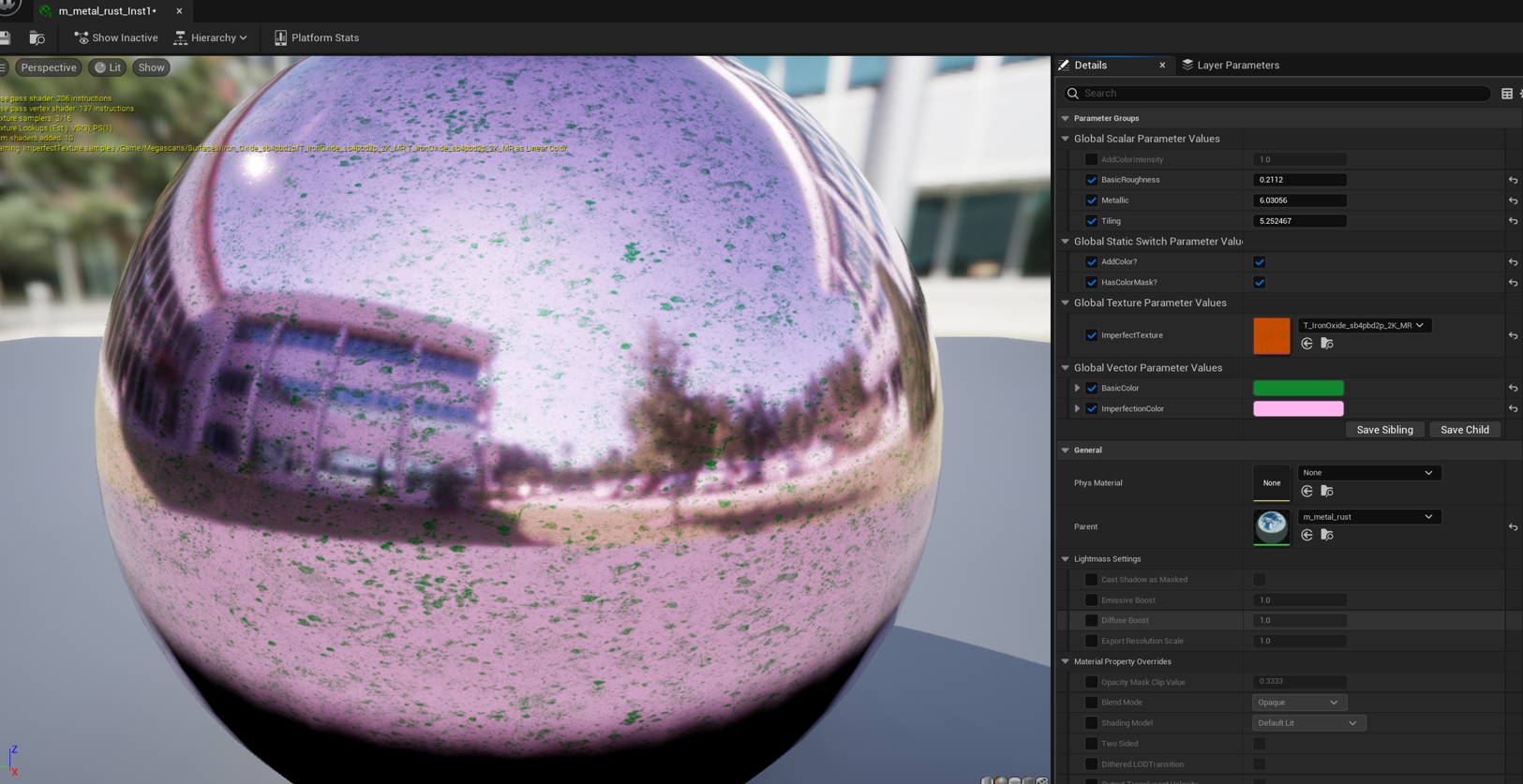
This section explains mask blending, roughness variation, and storytelling through age and wear distribution.
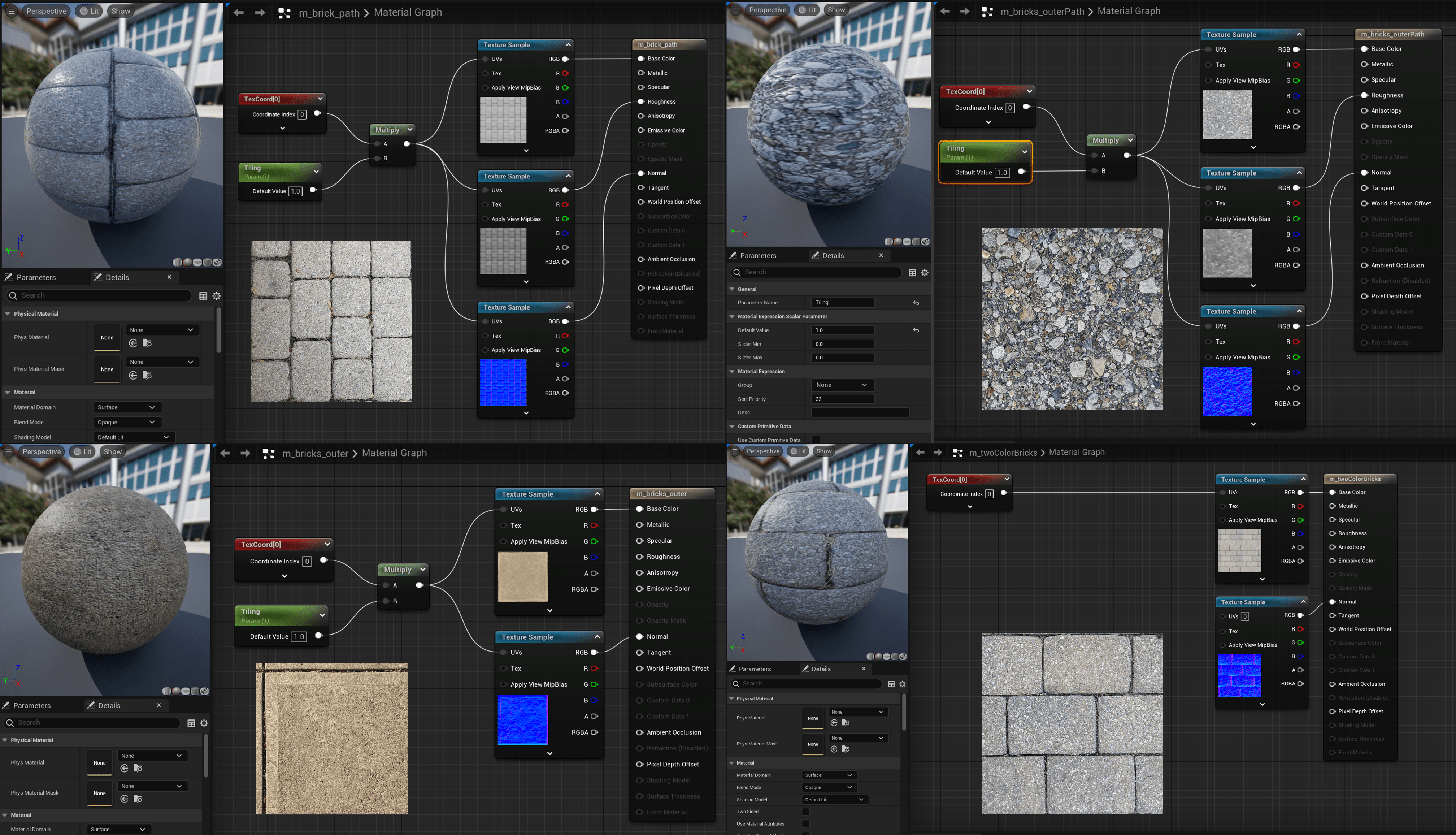
This section documents tiling quality checks and repeat mitigation to maintain visual continuity across large surfaces.